From UX to PX: How Duolingo’s Bold Move is Redefining Our Industry
Mar 28, 2025
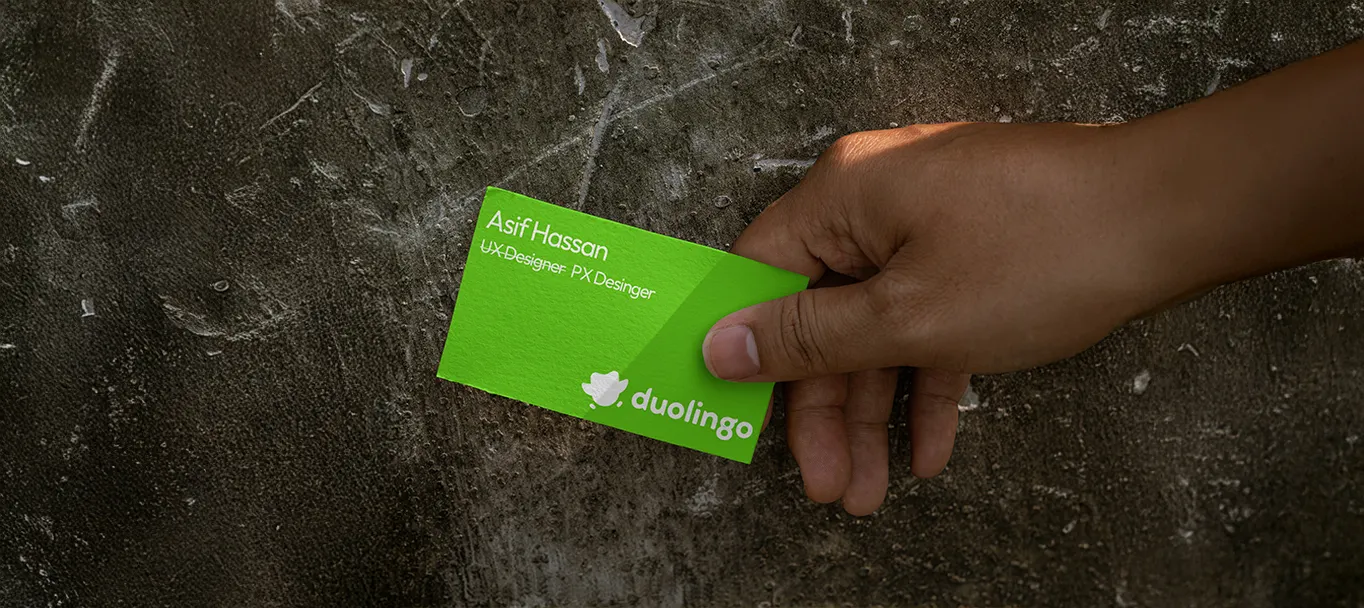
As someone who has proudly called myself a UX designer for the past seven years, this hit differently. Not because I’m resistant to change (we designers pride ourselves on adaptability, after all), but because it forced me to confront something I’ve been feeling for a while: the term “UX” no longer fully captures what we do.
The Shift That’s Been Brewing
Duolingo’s Head of Product Experience, Mig Reyes, didn’t just wake up one day and decide to rebrand the design team. This change represents years of evolution in how forward-thinking companies view the relationship between design and product strategy.
I’ve felt this tension in my work. In meetings, I’m no longer just advocating for user needs — I’m connecting those needs to business metrics, product roadmaps, and growth strategies. The “user experience” I design doesn’t exist in a vacuum; it’s intricately tied to product success.
When Reyes states that “UI design serves the users, while UX design serves the product,” it resonates with my daily reality. The line between being a designer and being a product strategist has been blurring for years.
What “Product Experience” Actually Means in Practice
Duolingo’s new framework breaks down Product Experience into three core components:
Product Design (the visual and interactive elements)
Product Writing (the voice and messaging)
Product Research (the insights that drive decisions)
This holistic view acknowledges something I’ve learned the hard way: a beautiful interface with perfect usability can still fail if it doesn’t align with product goals or if the content doesn’t resonate.
Last year, I spent three months perfecting a feature that tested brilliantly in usability studies. Users loved it. The problem? It didn’t drive the business metrics it was meant to support. Despite being a “good UX,” it wasn’t a good product experience.
The Identity Crisis We’re All Having
If you’re like me, you might be wondering: “Does this mean I need to update my LinkedIn title? Is ‘UX Designer’ becoming obsolete?”
The answer isn’t that simple. What matters isn’t the title on your business card but how you approach your work. Ask yourself:
Do you think beyond interfaces to the entire product journey?
Are you as fluent in business metrics as you are in design principles?
Do you consider content strategy and research as integral to your process, not just adjacent specialties?
If you answered yes, you’re already practicing Product Experience design, regardless of your title.
Why This Matters Beyond Semantics
Some might dismiss this as mere terminology — corporate rebranding that doesn’t change the day-to-day reality of design work. I disagree.
Language shapes how we think. When we say “User Experience,” we center the user (as we should), but we sometimes forget that users don’t exist in isolation from business goals. The term “Product Experience” reminds us that our work must serve two masters.
In my career, I’ve seen how reframing my role has opened doors. When I started presenting myself as someone who designs experiences to drive product success — not just delightful interactions — I found myself invited to strategic meetings I would have been excluded from previously.
The Balanced Approach Moving Forward
The danger in this shift is that we might overcorrect. If UX sometimes overemphasized user needs at the expense of business realities, PX could potentially do the opposite.
The sweet spot, I believe, is integration: human-centered design principles applied within a strategic product framework. This means:
Continuing to advocate fiercely for users
Maintaining our commitment to accessibility and inclusion
Bringing research insights to every product decision
Simultaneously tying design choices to concrete business outcomes
My Pledge
As I look at my business cards (which, yes, still say “UX Designer”), I’m not rushing to print new ones. Instead, I’m reframing how I think about my role.
I’m not just designing experiences for users; I’m crafting product experiences that create value for both users and the business. I’m not just a designer; I’m a strategic partner in product development.
Whether you embrace the terminology of “Product Experience” or not, I encourage you to embrace this mindset shift. Our industry evolves constantly, and those who thrive are those who see beyond current conventions to the underlying truth of our work: great design happens at the intersection of user needs and product goals.
Perhaps that’s what Duolingo’s green business card is telling us — it’s time to acknowledge that intersection in how we think, talk, and work as designers.