Design Is Shifting Fast. These 10 Trends Will Lead 2026
Dec 1, 2025
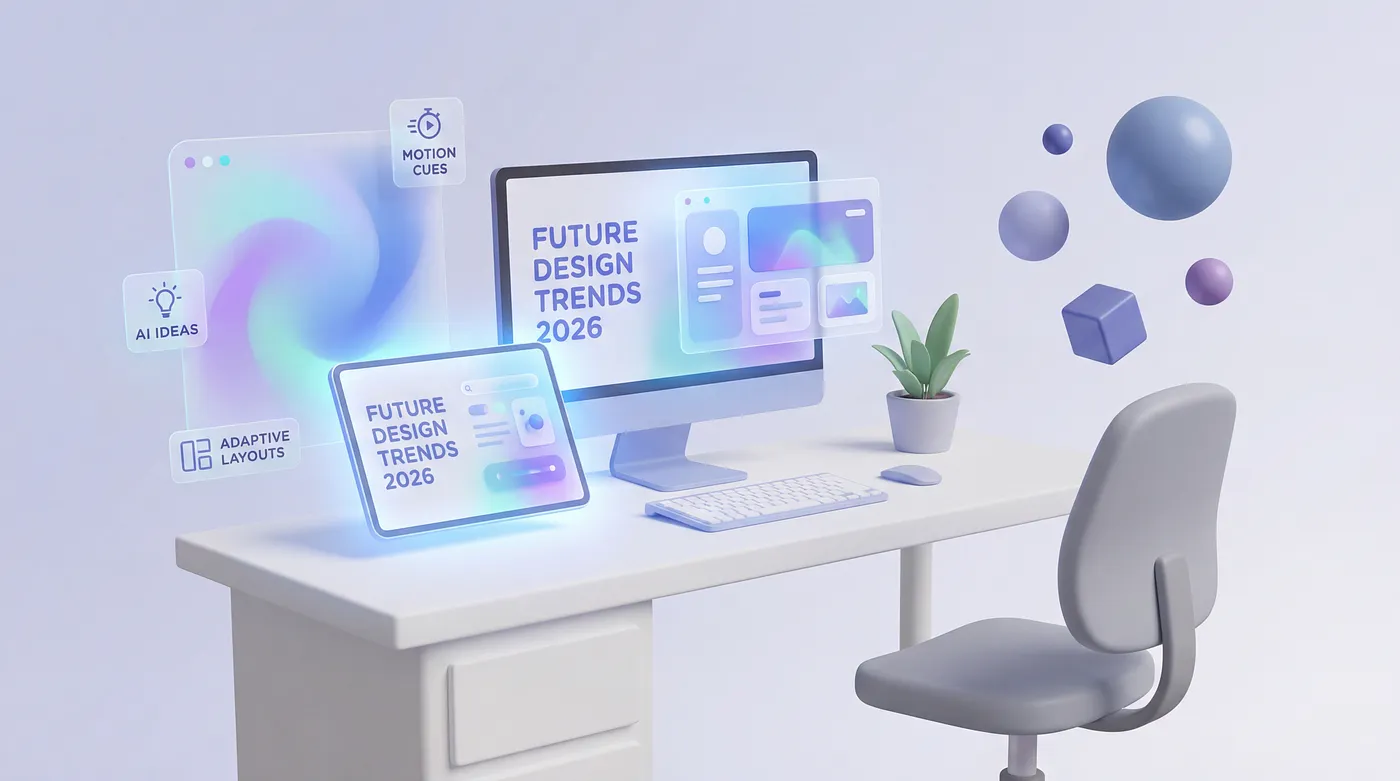
This time, the shift isn’t happening on the surface.
It’s happening underneath — in the way we think, the way we work, and the way users expect digital products to behave.
After working with teams across industries and watching how design culture is changing, these are the 10 shifts I believe will genuinely shape 2026. Not recycled ideas. Not buzzwords. Actual changes that influence how we design every day.
Let’s begin.
1. AI Will Become Your Second Brain, Not a Tool
AI has already changed speed.
In 2026, it will change thinking.
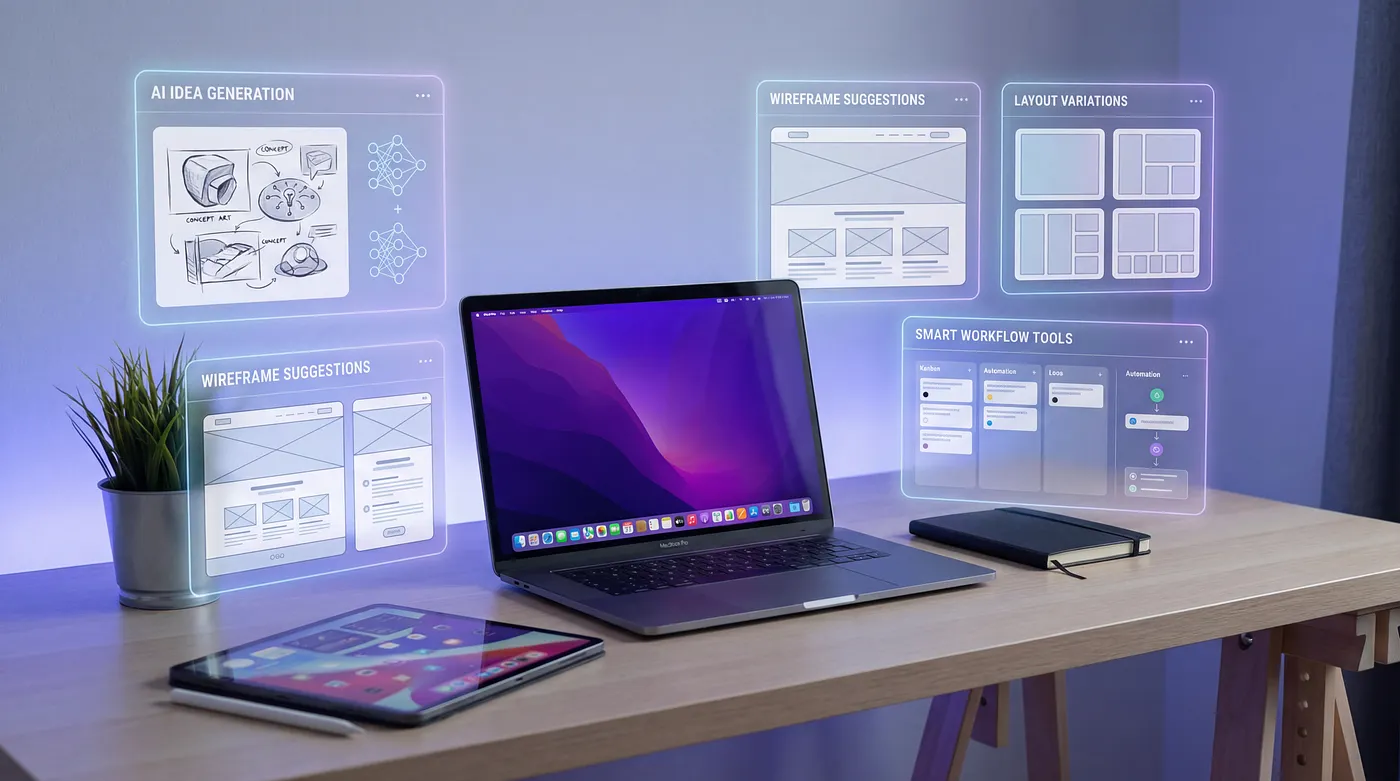
Designers will brainstorm with AI, explore multiple directions in minutes, compare flows, and pressure-test ideas before drawing the first frame. The ones who thrive aren’t the ones who rely on AI blindly — they’re the ones who know how to use it without losing taste.
Curation will matter more than creation.
This year belongs to the designers who can guide AI, not be guided by it.
Press enter or click to view image in full size
2. Interfaces Will Adapt to You, Not the Other Way Around
The era of static screens is fading.
Apps will start paying attention.
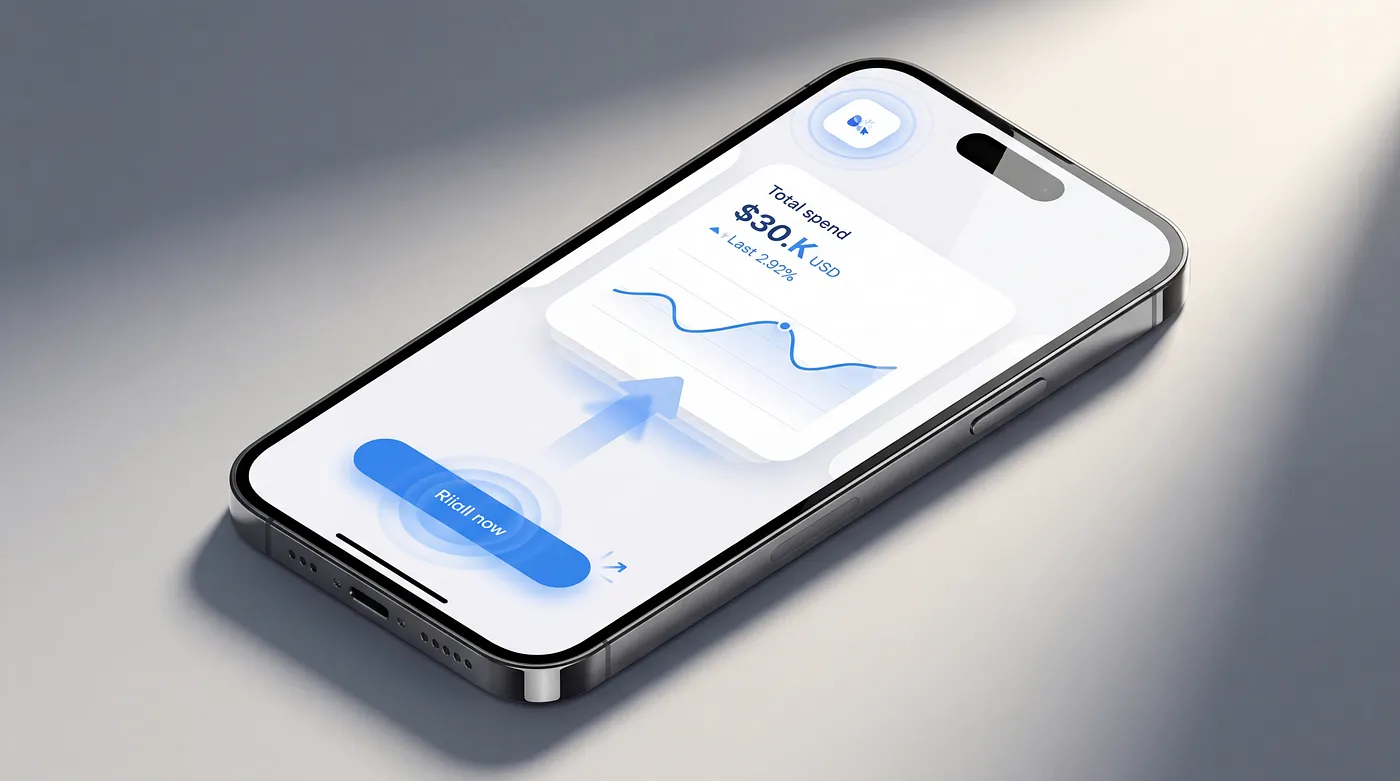
They’ll simplify at night, reduce distractions during low attention moments, highlight the right tasks at the right time, and shift based on how you interact with them. The experience won’t be identical for everyone anymore.
This quiet personalisation will be one of the biggest UX improvements of 2026 — and most users won’t even notice it happening. They’ll just feel the difference.
3. Motion Will Become the New UX Language
Motion is no longer decoration.
It’s becoming meaningful.
A soft nudge, a subtle shift, a fluid transition — all these little movements help users understand what just happened and what comes next. Motion will guide attention, reduce confusion, and give digital products a sense of rhythm.
Designers who understand motion deeply will stand out instantly.
It’s the new literacy.
4. Products Will Feel More Human Again
We’re past the flat, cold UIs of the early 2020s.
But we’re not going back to heavy skeuomorphism either.
2026 is moving toward interfaces with a gentle touch — softer shadows, natural depth, warmer textures, small nuances that give screens a sense of softness and humanity. Digital products will feel less mechanical and more familiar.
It’s subtle, but meaningful.
5. Clutter Will Finally Die
The apps that survive this year will share one thing: focus.
Designers are realizing that clarity isn’t about removing elements — it’s about removing unnecessary mental steps. Interfaces will become cleaner, simpler, and more intentional.
Users want fewer decisions, fewer fields, fewer interruptions.
Clarity has officially become the new luxury.
6. Dashboards Will Start Breathing
Instead of static grids filled with widgets, dashboards will behave more like living systems. They’ll respond to what you check often, highlight what needs attention, and bring the important things to the top when they matter.
Your dashboard won’t look like mine — and that’s the point.
We’re moving toward interfaces that feel more adaptive and less fixed.
7. Microcopy Will Become More Human
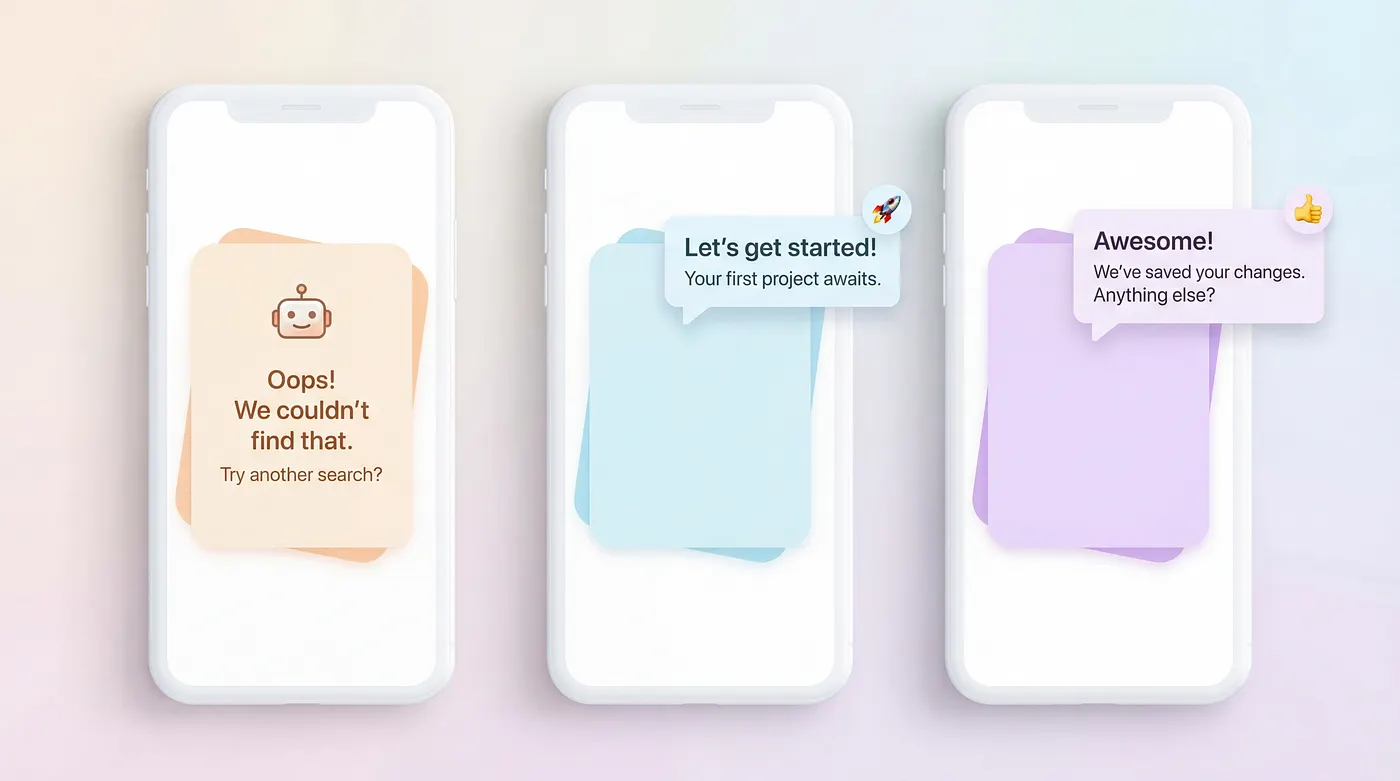
We’ve all seen robotic, generic messages: “Something went wrong.”
In 2026, products will start speaking like real humans again.
Interfaces will guide, comfort, explain, and reassure — not just display instructions. When AI-generated text becomes common, authenticity becomes a competitive advantage.
Human tone is the new design system.
8. Accessibility Will Shift From Checklist to Mindset
Accessibility used to sit in the final polishing stage.
Now it’s becoming a design instinct.
Contrast, spacing, predictable navigation, and readable typography — all these will be considered from the very beginning. Teams will stop treating accessibility as an afterthought and start treating it as good design.
The most inclusive products will also be the best products.
9. Calm Interface Colors Will Take Over
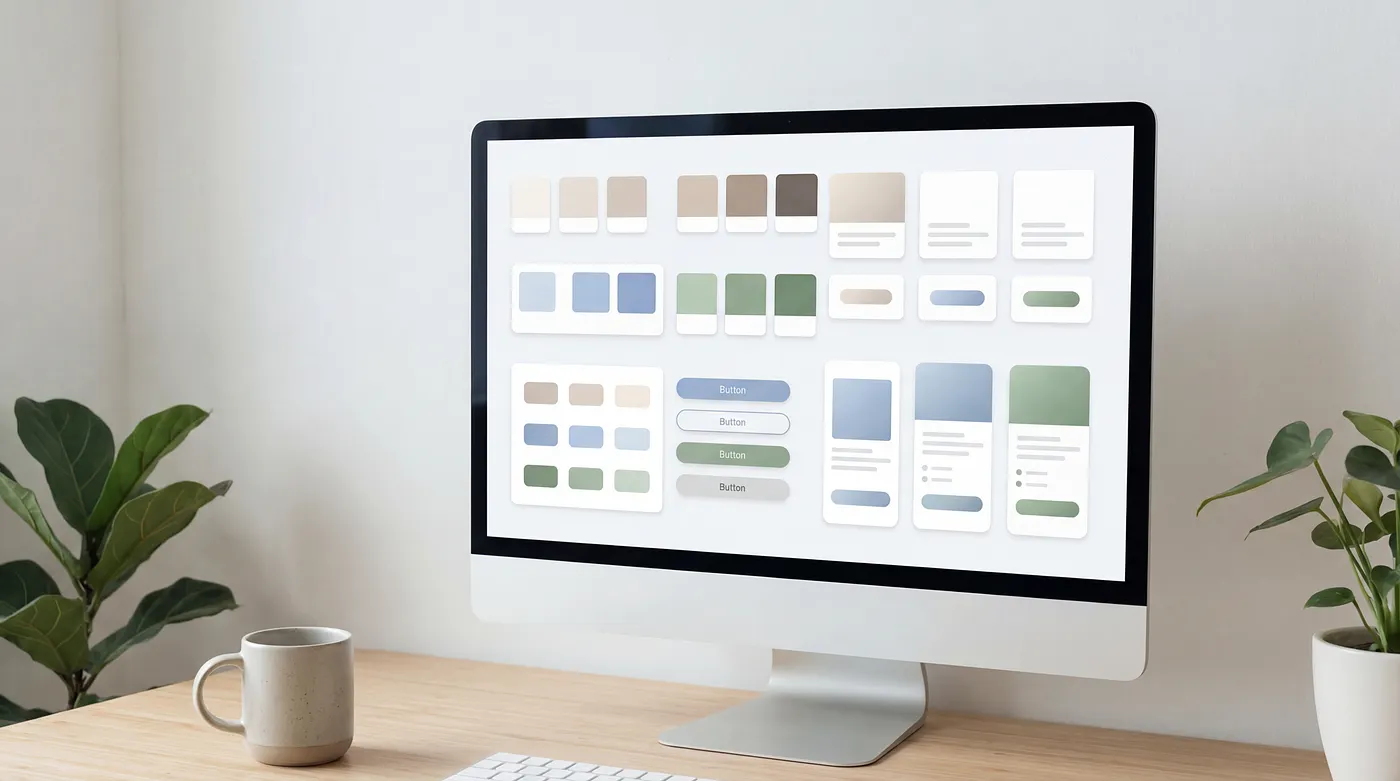
Bold gradients and neon palettes had their moment, but users are craving calmer screens. Expect designers to embrace softer neutrals, gentle blues, earthy greens, and quiet gradients that feel modern without overwhelming the eye.
It’s not about being minimal.
It’s about giving space to the things that matter.
10. Multi-Modal Interaction Will Become Standard
Design won’t revolve around taps alone.
Users will interact through touch, voice, gestures, predictive suggestions, and subtle background automation. The most successful products will feel more like a partner — something that listens, responds, and adapts.
This isn’t futuristic.
It’s already happening.
Why This Matters
Design trends used to be about visual style.
2026 trends are about behavior, emotion, clarity, and intelligence.
We’re entering a world where products understand us, adapt to us, anticipate us, and communicate with us in more natural ways. This is the moment to rethink what “good design” actually means — not as aesthetics, but as experience.
The bar is rising.
And it’s exciting.